The great explainers

About our teachers
Last updated: 4-9-21
Richard Feynman
Richard Feynman was a theoretical Physicist and Teacher best known for his contribution to physics. His research in the field led him to be awarded the Nobel Prize in Physics alongside his colleagues Julian Schwinger and Shin'ichirō Tomonaga.
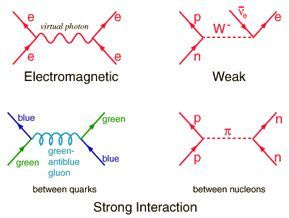
Where Feynman really shined was his teaching style. He invented the Feynman diagram, a widely adopted "pictorial representation scheme" that is used to visually depict the behavior of subatomic particles. It visually represents the math involved in the behavior of subatomic particles.
Feynman made Physics seem approachable to the average person. His ability to break down and explain complex concepts like particle Physics or electrodynamics is what made him a highly respected undergraduate Professor of Physics at Caltech.
Derek Wood
Derek Wood is a Web designer and Teacher. He is best known (amongst his students) for creating Perpetual Education web design school. This design school is the brainchild of countless hours of Derek's industry experience, both with companies and running a consulting business.
Derek's teaching style was honed through years of mentoring people he met through the internet and in real life. He was fortunate enough to have a great education and learned multimedia and web design from a young age.
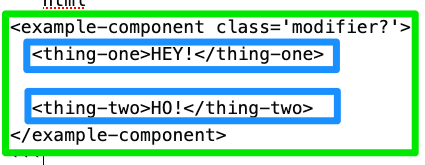
If you cant draw the layout, you cant code the layout
-Derek Wood
This reminds me of the following Feynman quotes
“If you can't explain it simply, then you don't understand it well enough”
“What I cannot create, I do not understand”-Richard Feynman
Both quotes emphasize the importance of thoroughly understanding a concept before attempting to implement or explain it. Instead of writing the HTML and guessing as you go, Derek encourages his students to draw the HTML out with pencil and paper, or a visual design tool like skitch. Feynman emphasized the importance of a bottom-up approach to learning and prioritized simplicity in his explanations.
Like most scientists, Feynman was an avid learner. But what differentiated him amongst his colleagues was an ability to boil down complex concepts down to their essential learning blocks. Feynman even kept a journal of everything he didn’t understand!
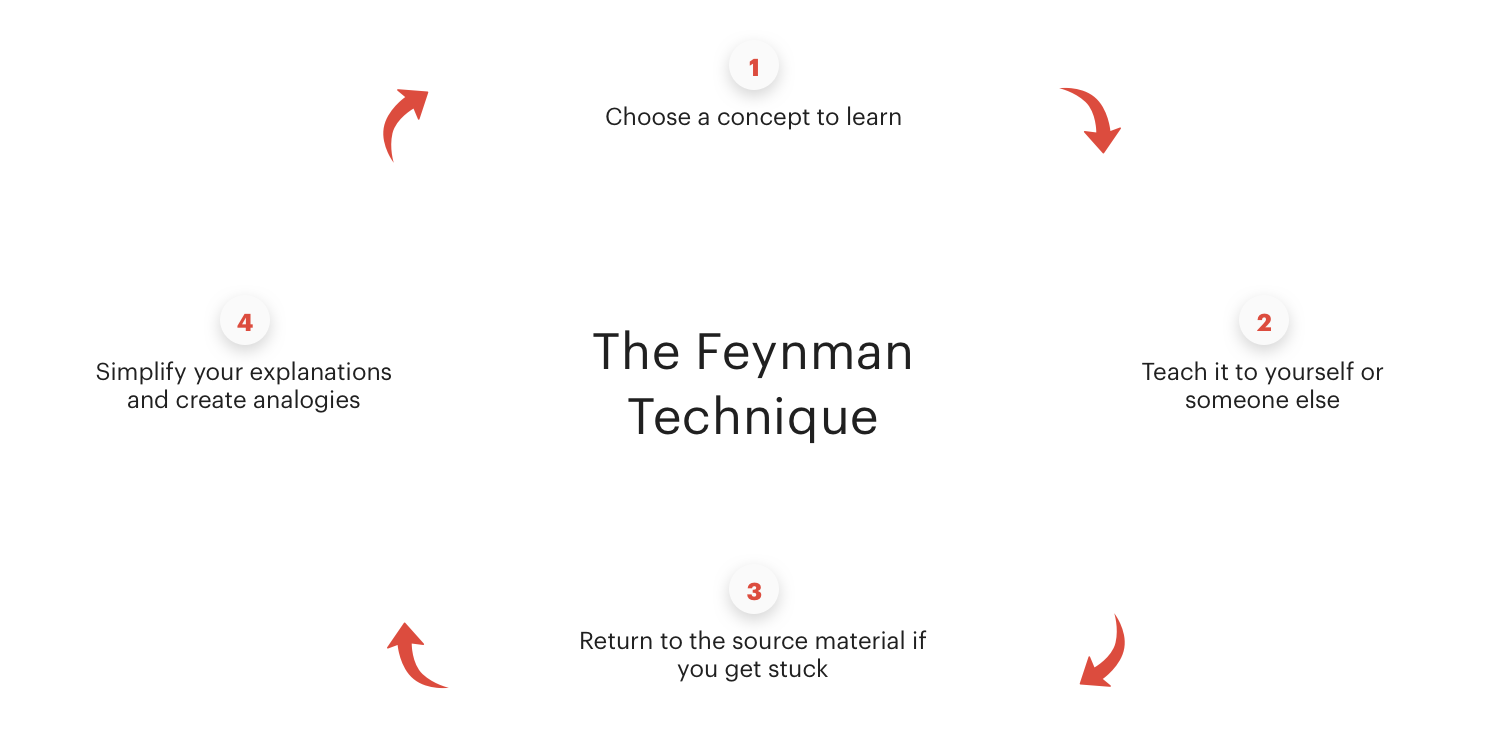
The Feynman technique
Is best described as a framework to learn concepts in a faster and more intuitive way than the conventional rote learning often featured in mainstream education. The steps to learning subjects like Richard Feynman are as follows. Get a blank notebook and do as follows
Choose a concept to learn
open up a blank page in your notebook
put learning topic at top of page
Teach it to yourself or someone else
write down everything you know about your topic of study on the aforementioned page
teach it to yourself or someone else
Return to the source material if you get stuck
go back to whatever source material you used, and fill in any memory slips you may have had
simplify your explanations by creating analogies
clarify and streamline your notes. Use your intuition to create analogies
Derek has the same philosophy. Through years of self-teaching himself the languages of the web like
HTML
CSS
PHP
Js
He discovered gaps in his knowledge of the languages that otherwise would have gone missed. And he also discovered better (and worse) ways others went about learning. Like Feynman, he boiled down to the bare essentials the best ways to learn web design, making learning it more approachable and accessible to the masses.
He encourages his students to keep journals of what they are learning and log any mental blockers they have regarding a subject. Like Feynman, he knows that some of the best growth occurs away from our main work.
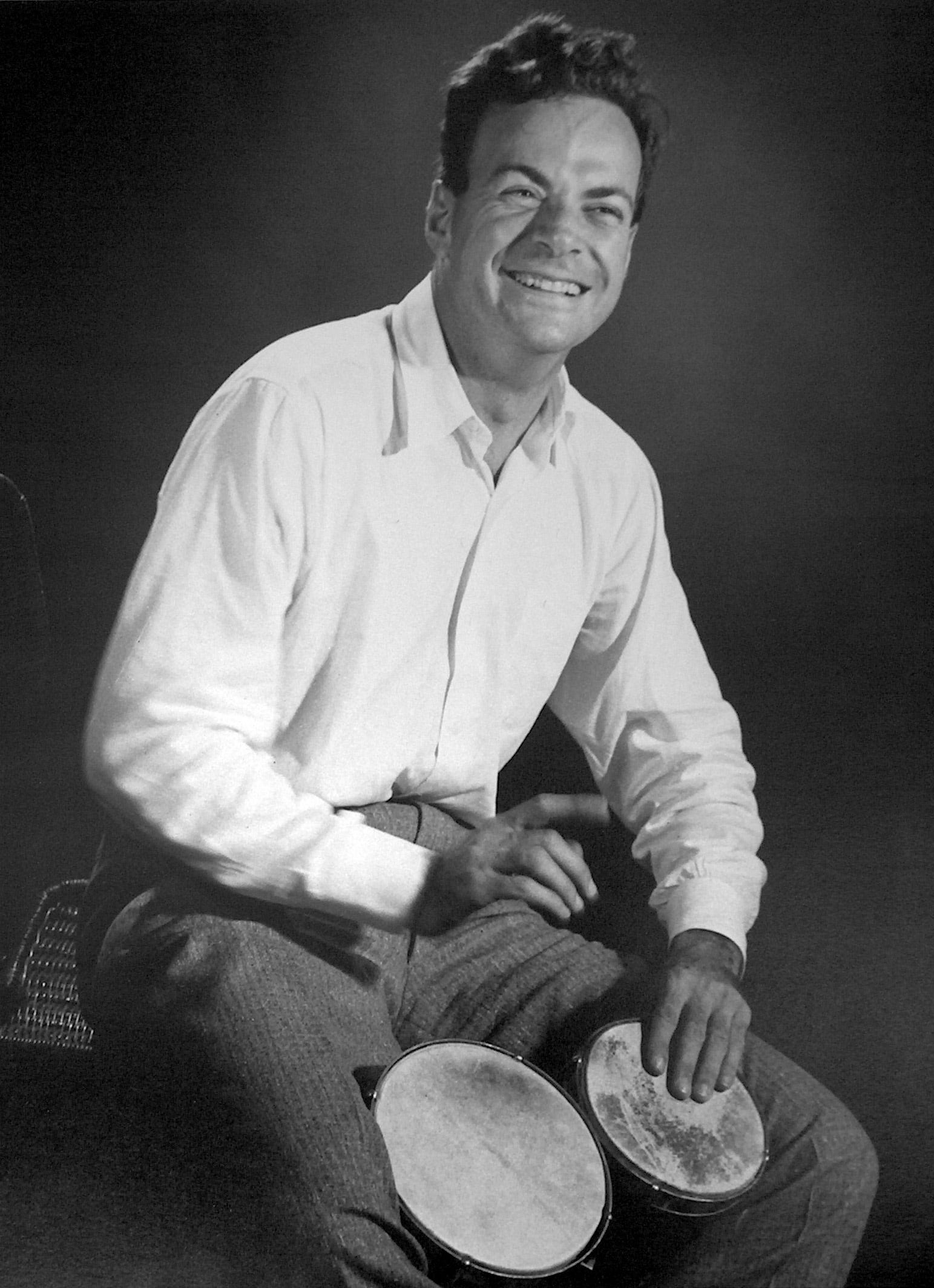
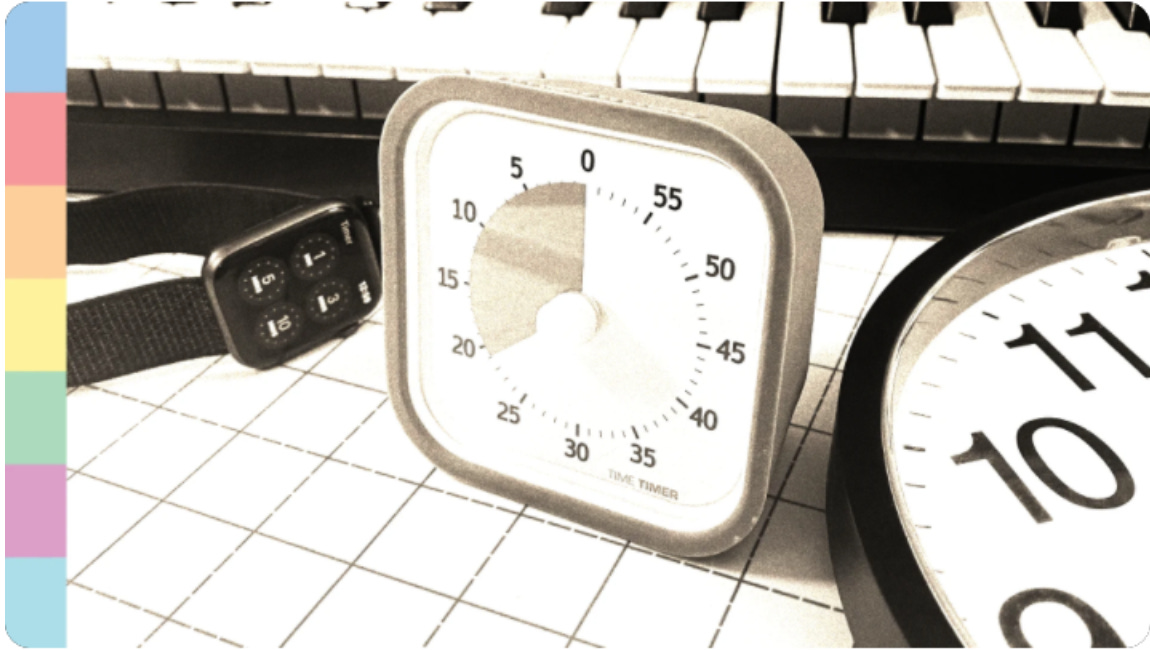
Having hobbies outside one's main interest is what keeps a person productive in their field, happy and sane! Both Feynman and Derek play musical instruments. I think it gives them an advantage! After all, a wise man once said intelligence is just genius having fun.
There is more to being a web designer than programming languages. By encouraging students to write about their thought processes, he knows the information will be reinforced. He has a natural talent for helping students embrace their strengths while creating an environment to nurture them.
What do the teaching styles of Derek Wood and Richard Feynman have in common?

Embrace curiosity but have a framework
Both Feynman and Derek are curious fellows. Derek is curious about web design, programming, keyboards (and lots else!). Feynman loved physics and and bongos. Feynman has his own technique to learn stuff (dubbed the Feynman technique). Derek has his own similar method to learning things that’s just as effective. He even founded an entire web design school based on the learning principles he used. Maybe we should call it the PE commandments. Or WWDD (what would Derek do) or something.
Identifying what you don’t know
For Feynman, this often took the form of keeping track of the new concepts he'd learned in that notebook we mentioned earlier. For Derek, this looks like attempting to implement a feature using a programming language, "failing", and then learning why. It's part of a larger problem-solving framework called design thinking (future blog post idea!)
Enthusiasm
Enthusiasm (or lack thereof) is infectious. Both Derek and Feynman have an infectious and almost childlike enthusiasm towards their respective fields. This lends itself to the creation of ingenious analogies.
While at a conference as a member of the space shuttle challenger committee, Feynman put an o-ring into a glass of ice water as a metaphor for what may have happened to the o-rings on the challenger. The o-ring shrunk, and his little experiment was a success.
Derek was so frustrated by the number of crappy websites out there and gaps of knowledge in the developers who built them, that he enthusiastically built Perpetual Education (P.E), an online web design school that is training the next generation of Web Designers.
No textbook
Feynman often made his own illustrations with the help of his students
Derek doesn't use a textbook when teaching (though does have opinions on them) and makes his own illustrations (or sometimes even references student’s work or other stuff found while doing UX / design research). He encourages students to develop skills to read documentation while always remaining skeptical about the tools used and emerging frameworks.
Creative raconteurs
a person who excels in telling anecdotes
Merriam-Webster
A raconteur is not just a storyteller, but one who tells stories with depth and wit. Both Derek and Feynman are creative story tellers, using original tales and analogies to reveal the hidden. In Feynman’s case magnetism
Feynman explains Magnetism
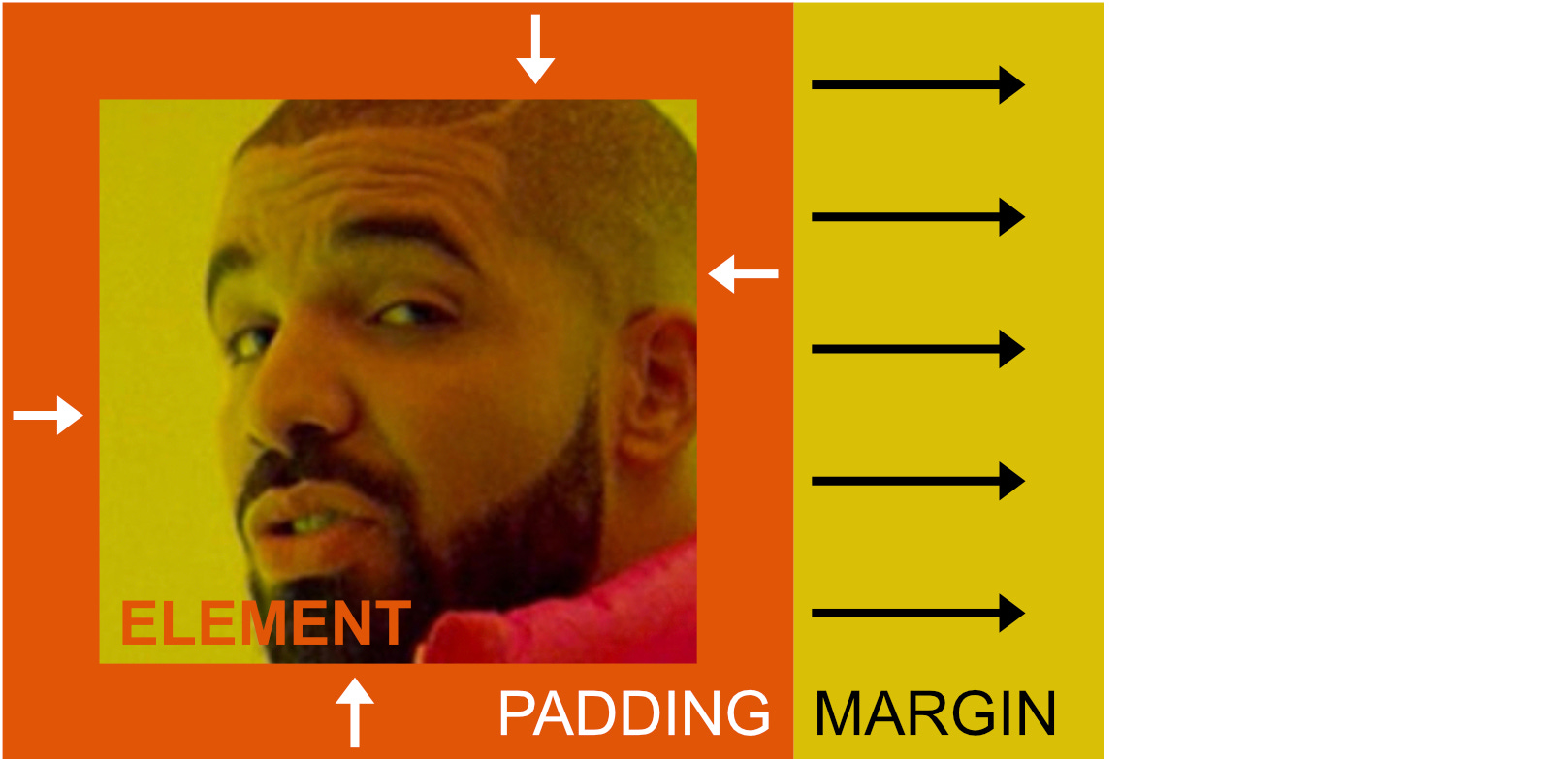
and in Derek’s case, margins(Part of the css box model).
Are great teachers born or created?
I think it is a mixture of both. Certainly, great teachers are a mix of proper education, innate capability, and personality. Whether they're an autodidact or graduated from an accredited institution, they bring out the best in their students and empower them to do their best.
Fellow Derek Wood fan over here!
This is a great article. I once read a some random blog post comment thread where people debated about how you can tell if someone is extremely intelligent.
One thing everyone agreed to, was that a person who can explain very complex things in a simple way (using common terms) and make them seem easy, is a sure sign that they are extremely smart.
I see that every day during the P.E lessons
Now I have to get some bongos...